
PSYCHOTHERAPY FOR ADULTS WITH ANXIETY
When worry has become a constant companion.
Anxiety therapy and treatment for adults in Newport Beach and Irvine
Steady on the outside, restless underneath.
Many of the adults who come to us for anxiety therapy in Newport Beach are, from the outside, handling a great deal well. They are the reliable one at work, the planner in the family, the person others lean on. Underneath, the mind rarely rests: running through what could go wrong, replaying conversations, waking at 3 a.m. with a list. Some have had a first panic attack and are quietly afraid of the next. Others have lived with worry so long it feels like part of who they are.
Anxiety is one of the most common reasons adults seek therapy, and one of the most treatable. Our anxiety treatment brings two things together: unhurried, in-depth therapy that looks at what the anxiety is responding to, and practical cognitive behavioral strategies that bring relief along the way.
Adults meet with our psychologists and therapists in our private office at MacArthur and Jamboree, where Newport Beach meets Irvine and Costa Mesa, and online throughout California. We work with adults from across Orange County.
Depth over speed
Unhurried work that lasts
Practical strategies
Part of every course of therapy
Testing and therapy
Under one roof
Newport Beach office
MacArthur & Jamboree, near Irvine
WHAT WE SEE
What does anxiety look like in adults?
Anxiety in adults rarely announces itself. More often it shows up as habits, sensations and avoidances that have slowly come to feel normal.
-
Worry that moves from one topic to the next: work, money, health, family. Even good news brings a “yes, but.” Clinicians call this pattern generalized anxiety.
-
Sudden surges of fear with a racing heart, shortness of breath, dizziness or a sense of unreality. Many people first go to urgent care, convinced something is medically wrong. Fear of the next attack can begin to shape where you go and what you do.
-
Rehearsing before a meeting and replaying it afterward. Avoiding presentations, events or dating. It is common in people others would describe as confident.
-
Standards that once drove success now feel punishing. Procrastination is often anxiety in disguise: the task feels so loaded that starting is the hardest part.
-
Searching symptoms, seeking reassurance, and finding it hard to trust a normal test result for long.
-
Muscle tension, headaches, stomach trouble, a tight chest, restless sleep, and fatigue that rest doesn’t touch.
-
Turning down the trip, the drive, the invitation. Each avoidance brings relief, and each one makes the next a little easier to justify.
-
Parents worried about a child or teen, adults caring for aging parents, and partners who feel responsible for keeping everyone else steady.
-
Stress tied to a deadline eases when the deadline passes. Anxiety persists, or attaches itself to the next thing. When worry outlasts its cause, it is worth a closer look.
-
Anxiety and depression often travel together, and years of worry can wear down into exhaustion and flatness.
-
Adults with unrecognized ADHD often develop anxiety from years of compensating: late-night catch-up, a constant fear of dropping a ball. Treating the anxiety alone can miss its source.
-
Unwanted thoughts that are hard to dismiss, followed by checking, repeating or seeking reassurance to quiet them, may point to obsessive-compulsive patterns, which call for a specific approach.
-
Anxiety tied to a specific experience, with nightmares, a strong startle or avoidance of reminders, may call for trauma-focused care.
-
Thyroid conditions, caffeine, sleep loss, alcohol and some medications can produce anxiety symptoms. When it’s relevant, we’ll suggest a check with your physician.
THE QUESTION WE HEAR MOST
Is it anxiety, or something else?
Anxiety overlaps with several other conditions, and what is driving it shapes the right treatment. When the picture is unclear, an adult psychological evaluation gives you a clear understanding of what is driving the symptoms and a concrete plan, so treatment is aimed at the right problem.
Help with anxiety begins with one conversation.
During a complimentary 15-minute phone consultation, we’ll talk through what you’re seeing, how we can help, and how to get started.
Why does anxiety keep coming back?
-
Anxiety builds through a familiar cycle. You feel afraid of something, and avoiding it brings immediate relief. That relief teaches the mind that the situation was dangerous and that avoidance kept you safe, so the fear is stronger next time. A rough flight becomes a reason to drive; a hard meeting becomes a reason to stay quiet. Over months, the world gets smaller. Therapy helps you step out of the cycle at a pace that feels manageable.
-
Anxiety is a signal, and it is often pointing somewhere. It can stand in for feelings that are harder to know directly: anger, grief, the fear of disappointing someone, or two wishes pulling in opposite directions. As those become understood, the anxiety often has less work to do.
-
Everyone feels anxious. It is the mind’s alarm system, and it keeps us alert and motivated. Clinicians consider anxiety clinically significant when it causes real distress or interferes with work, sleep or relationships. If you lose sleep to worry and then struggle through the next day, anxiety is affecting how you function, and treatment can help.
THERAPY FOR ADULTS WITH ANXIETY
How does therapy help with anxiety?
Our work with anxious adults happens in a steady relationship with one therapist, where you have room to be heard and to explore what the anxiety is responding to: pressures you have carried for years, standards you never chose, relationships where you can’t fully relax. As those become clearer, many people find the worry loosens its grip, and the change tends to hold.
Looking beneath the anxiety
In-depth therapy looks past the symptoms to the patterns that keep anxiety going: long-held ways of protecting yourself, of relating to others, of measuring your own worth. Many formed early and now run outside awareness. As they come into view, you have more choice in how you respond, and the change tends to last.
Cognitive behavioral strategies for relief
Cognitive behavioral therapy (CBT), the most researched treatment for anxiety, is part of this work from the start. You learn to recognize anxiety early, question what it predicts, calm your body, and return in manageable steps to what you have been avoiding. Tools bring relief; understanding is what makes the change last.
A private, unhurried space
Sessions are confidential and unhurried, in our Newport Beach office or online throughout California. We review the work together along the way, and you decide how long to continue.
Over time, many adults find they:
- Notice anxiety earlier and settle themselves more quickly
- Sleep better and carry less tension in the body
- Return to situations they had been avoiding
- Understand what their anxiety was responding to
- Hold themselves to standards that feel more humane
Meet the Team
Explore our clinicians’ backgrounds, specialties, and approaches to care.
-
![Aaron R. Montgomery, Psy.D., licensed psychologist and Clinical Director at OC Psychology Center in Newport Beach]()
Dr. Aaron Montgomery, Psy.D., ABSNP
Founder & Clinical Director • Licensed Psychologist
-
![Carrie Kimpton Heald Ph.D.., licensed psychologist at OC Psychology Center in Newport Beach]()
Dr. Carrie Kimpton Heald, Ph.D., Ed.S.
Licensed Psychologist
-
![Deborah Naghi, Psy.D., licensed psychologist at OC Psychology Center in Newport Beach]()
Dr. Deborah Naghi, Psy.D., ABSNP
Licensed Psychologist
-
![Brittany Bell, Ph.D., licensed psychologist at OC Psychology Center in Newport Beach]()
Dr. Brittany Bell, Ph.D.
Licensed Psychologist
-
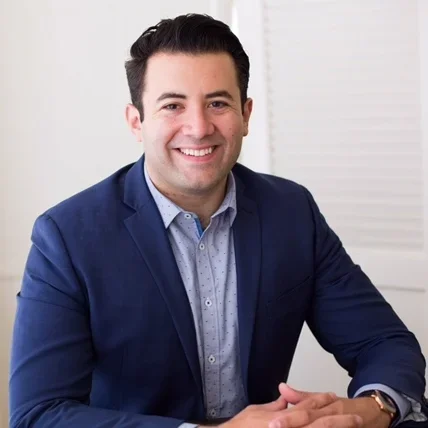
![Dr. Antonio Becerra Psy.D., licensed psychologist at OC Psychology Center in Newport Beach]()
Dr. Antonio Becerra, Psy.D.
Licensed Psychologist
-
![Dr. Reem Qaqish, Psy.D. LPCC, Licensed Professional Clinical Counselor at OC Psychology Center in Newport Beach]()
Dr. Reem Qaqish, Psy.D., LPCC
Licensed Professional Clinical Counselor
-
![Poppy Peluce Fune, LCSW, licensed therapist at OC Psychology Center in Newport Beach]()
Poppy Peluce-Fune, LCSW
Licensed Therapist • EMDR Certification
-
![Cindy Ficken, LMFT, Licensed Therapist at OC Psychology Center in Newport Beach]()
Cindy Ficken, LMFT, LPCC
Licensed Therapist
-
![Rubi Lopez Becerra, LMFT, Licensed Therapist at OC Psychology Center in Newport Beach]()
Rubi Lopez Becerra, LMFT
Licensed Therapist • EMDR Certification
-
![Jennifer Heers, AMFT, Associate Therapist at OC Psychology Center in Newport Beach]()
Jennifer Heers, AMFT
Associate Therapist






COMMON QUESTIONS
Frequently asked questions
-
It’s worth a closer look when worry lasts for weeks, disrupts sleep, or starts deciding what you will and won’t do. A consultation can help you sort it out.
-
Yes, with every anxious adult we see. Cognitive behavioral strategies are part of a longer-term relationship that also looks at what is driving the anxiety.
-
It varies. Many adults notice some relief within the first few months. Deeper change, in how you relate to pressure, to other people and to yourself, takes longer. We review progress together, and you decide how long to continue.
-
Sometimes. When anxiety significantly affects test performance, an evaluation can document it for accommodation requests on the LSAT, bar exam and other standardized tests. Each testing agency makes its own decision.
-
No. We are a private-pay practice. This allows care to be guided by your teen’s needs rather than an insurer’s requirements: how often we meet, how long the work continues, and what is documented. It also keeps your family’s care more private. On request, we provide a superbill you may submit for possible out-of-network reimbursement. See fees and insurance.
CONTACT US
Request a Therapy Consultation
Choose a time on our calendar for a complimentary 15-minute phone consultation. We’ll listen to what’s going on and talk through how we can help.
Prefer to leave a voicemail or text?
OUR OFFICE
In Newport Beach, close to home.
We provide counseling and psychological assessment in Newport Beach from our private office in Koll Center Newport, where Newport Beach meets Irvine and Costa Mesa. Many of the families we work with come from Irvine and nearby communities, and online sessions are available throughout California.
We’re five minutes from UCI & John Wayne Airport, with easy access from the 405, 73 and 55, and free visitor parking.
OC Psychology Center
4000 MacArthur Blvd - East Tower, Suite 600
Newport Beach, CA 92660